


Classroom reading view
What If Your Street Helped Keep You Cool?
What could a cooler street look like? Explore how trees, shade and thoughtful design could help people cope with heat.
—
Imagine walking home from school on a summer afternoon in 2050. Leaves cast moving shadows across the pavement. At the bus stop, an older neighbour rests beneath a shady roof. Your street has been designed to help people cope with heat.
This is an imagined future, not a prediction. But many of its ingredients already exist. Trees, shade and thoughtful building design can make hot places more comfortable. The question is where we put them, and who gets to benefit.
Why Do Some Streets Get So Hot?
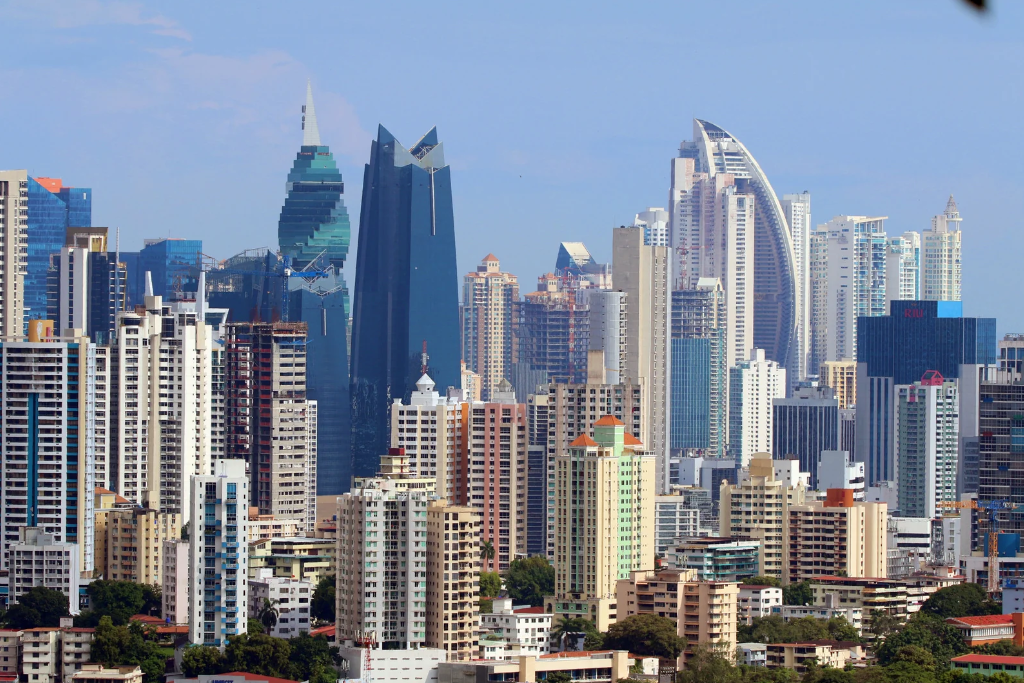
Have you noticed how a sunny pavement feels different from a shady garden? Roads, roofs and buildings can absorb and hold heat. Where we replace plants with these surfaces, neighbourhoods can become warmer than surrounding areas. This is called the urban heat island effect.
Trees help in two ways. Their leaves provide shade. Water also moves from the ground through plants and into the air as water vapour. Turning liquid water into vapour uses heat, helping to cool the surroundings. Scientists call the combined evaporation from plants and soil evapotranspiration.
What Could We Design Differently?
In our imagined street, planners start by asking where people need shade most. That might be outside a school, beside a busy crossing or along a route to the shops. They leave room for tree roots and choose plants suited to the local climate. They plan watering and care, too. A tree drawn on a map cannot shade anybody if it dies after planting.
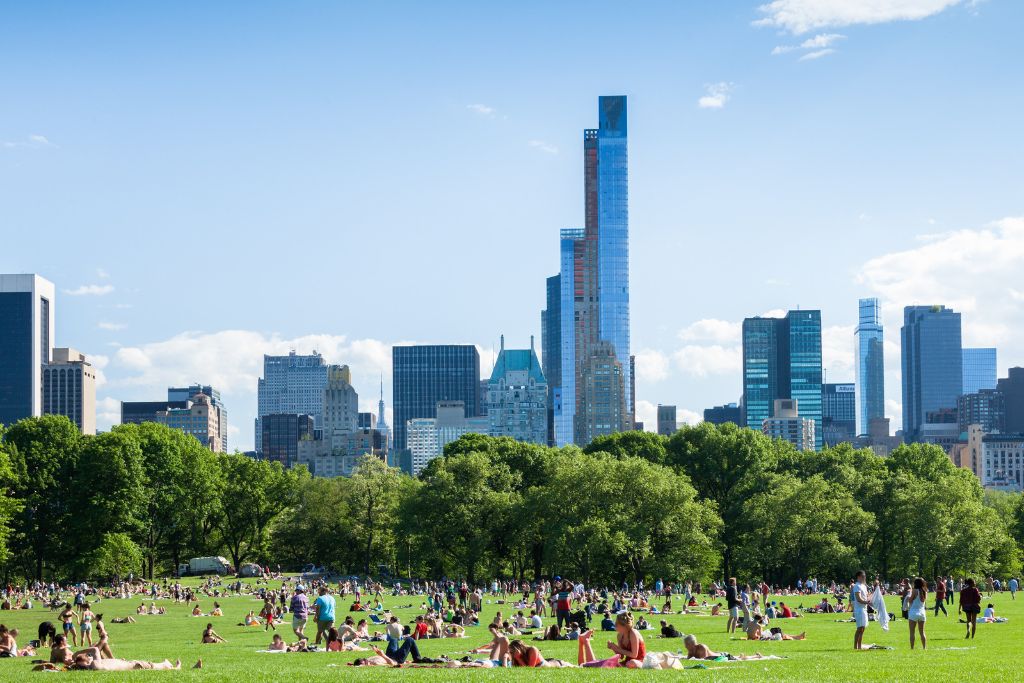
The street still needs space for wheelchair users, deliveries and emergency vehicles. Residents help decide how that space is shared. Trees are one part of the design; shaded shelters and buildings that stay cooler matter as well.
What If We Leave Things as They Are?
As the climate warms, many places face greater heat risks. Keeping large areas exposed to sunshine can add to the problem. People who cannot afford cooling, or who live far from green spaces, may find it especially difficult.
Planting trees alone cannot stop global warming. Governments and businesses also need to cut the pollution that heats the planet. Local cooling and climate action work together.
A better street would make shade part of everyday life, rather than something you must travel to find. It would need money, maintenance and fair decisions about which neighbourhoods receive help first.
Now picture your journey home again. Where would a patch of shade make the biggest difference? That small question is a useful place for a much bigger design to begin.
Three Things to Know
- Urban heat islands form where built surfaces and a loss of vegetation make places warmer.
- Trees provide shade and cooling through the movement and evaporation of water.
- A cooler street needs planning and ongoing care, alongside action on global warming.
Try It
Draw an imaginary route between a school and a library. Mark three places where people might need shade. Add trees or shelters, then check that wheelchair users and emergency vehicles can still get through. Explain who would look after your design. You can do this entirely on paper.
Think It Through
- Why can a built-up neighbourhood be warmer than nearby green areas?
- Why should planners budget for tree care after planting?
- Would planting street trees remove the need to cut greenhouse gas emissions?
Go deeper — ages 10–12
A cooler surface and cooler air are different measurements. A shaded pavement may cool considerably without the whole neighbourhood cooling by the same amount. Weather, tree cover and street layout all affect the result.