

Classroom reading view
What If Your Favourite Things Were Built to Be Fixed?
In this article, part of our "What If?" series, Earth. Org Kids revisits the concept of a "circular economy", a way of organising production and use so products and materials stay useful for longer
—
Your headphones have stopped working in one ear. You wiggle the cable. Nothing. Do you need a whole new pair because one small part has broken?
Imagine visiting a repair shop in 2050. The repairer finds the problem, replaces the cable and hands your headphones back. The company that made them has supplied spare parts and clear instructions. This scene is imagined, but its central idea is already being put into practice: we can design products, and the rules around selling them, to make repair easier.
Why Does a Broken Cable Matter?
A pair of headphones starts its life long before it reaches a shop. Materials must be gathered and processed, parts made and the finished product transported. These activities use a lot of resources and energy.
If something that could be repaired is thrown away, we may need more materials to make its replacement. The United Nations Environment Programme warns that resource extraction could keep rising sharply without changes to how we produce and use things.
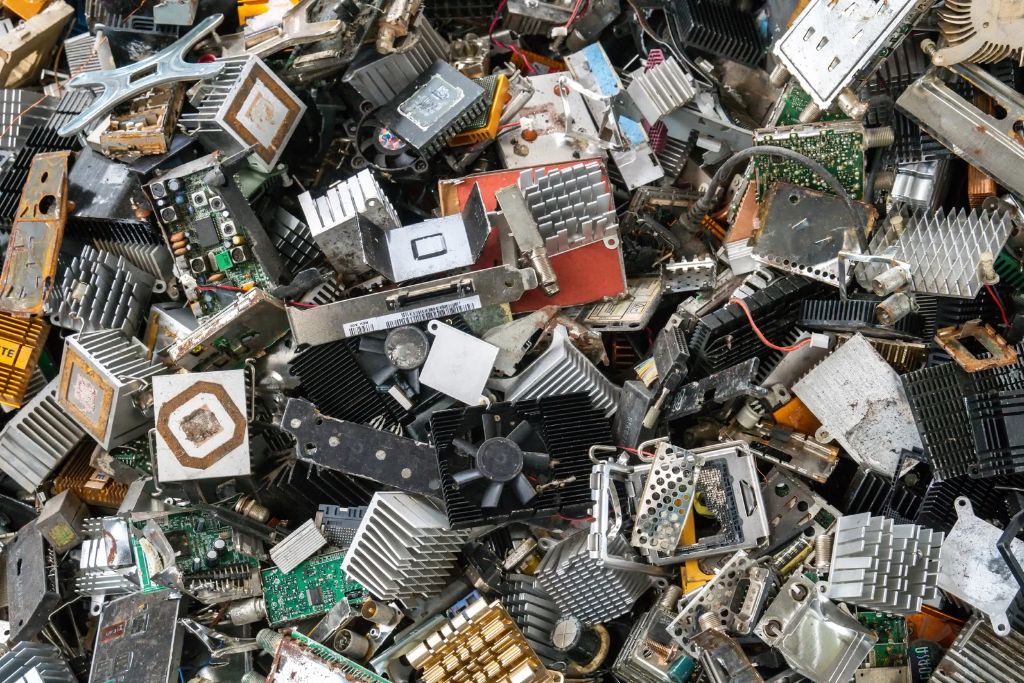
Recycling can recover some materials. But keeping a useful object working can avoid making a whole replacement in the first place.
What Would a Repairable Future Need?
In our imagined future, designers think about the first breakdown before the first sale. Can someone open the case? Can a worn part be replaced without damaging everything around it?
Makers supply spare parts, and trained repairers have the information they need. Customers can find out what repairs cost before deciding. A neighbourhood might also have a place to borrow tools used only occasionally.
Rules matter alongside clever design. If a new product is cheap but its spare parts are expensive or unavailable, repair may still be difficult. The European Union has introduced rules intended to encourage repair of certain products. That is a real step, although it does not mean every broken item can now be fixed.
Could We Make Rubbish Disappear?
No product lasts for ever, and some damage makes repair unsafe. Repairs also use materials, energy and people's time. Sometimes a replacement may be the better choice, especially if an old appliance uses much more energy. Adults need good information to compare the options.
Without change, a future filled with short-lived products could mean more waste and more pressure on places supplying their materials. That outcome is a possibility we can influence. A better design would help people keep useful things for longer. Companies would need to support repairs, governments could set suitable rules, and repairers would need skills and equipment.
Children do not need to open electrical devices to explore this idea. Start with a simpler question: if one part of an object wears out, must we really lose the whole thing?
Three things to know
- Making products uses materials and energy before they reach our homes.
- Repair works best when parts, information and skilled help are available.
- Repair and reuse can reduce waste, but safety and energy use also matter.
Quiz
- Why might replacing one cable be better than replacing working headphones?
- Is an easy-to-open case enough to make repair practical?
- Should every broken electrical product always be repaired?
Go deeper — ages 10–12
This is part of a circular economy: a way of organising production and use so products and materials stay useful for longer. It includes reducing unnecessary use, sharing, repair, reuse and recycling. A circle in a diagram does not mean there are no losses.
Resources
- UNEP and International Resource Panel - Global Resources Outlook 2024
- Council of the European Union - Right to Repair Products
Check this out next: The Circular Economy Explained to Kids