Trees are a gift to our world, a pivotal cornerstone of our balanced ecosystem. Yet I never truly appreciated their diverse abilities until recently, when I read a case study on the Aral Sea’s drying since the 1960s.
The ambitious irrigation projects aimed at boosting agricultural output (especially cotton, a notoriously water-intensive crop) brought devastation to the sea and its neighbouring communities. The loss of water led to the extinction of many aquatic species, not only disrupting the local ecosystem, but also negatively impacting the fishing communities that relied on the Aral Sea’s once-diverse fish populations. Plus, the gradual exposure of the seabed, full of toxic dust from agricultural run-off, created major health crises throughout the region.
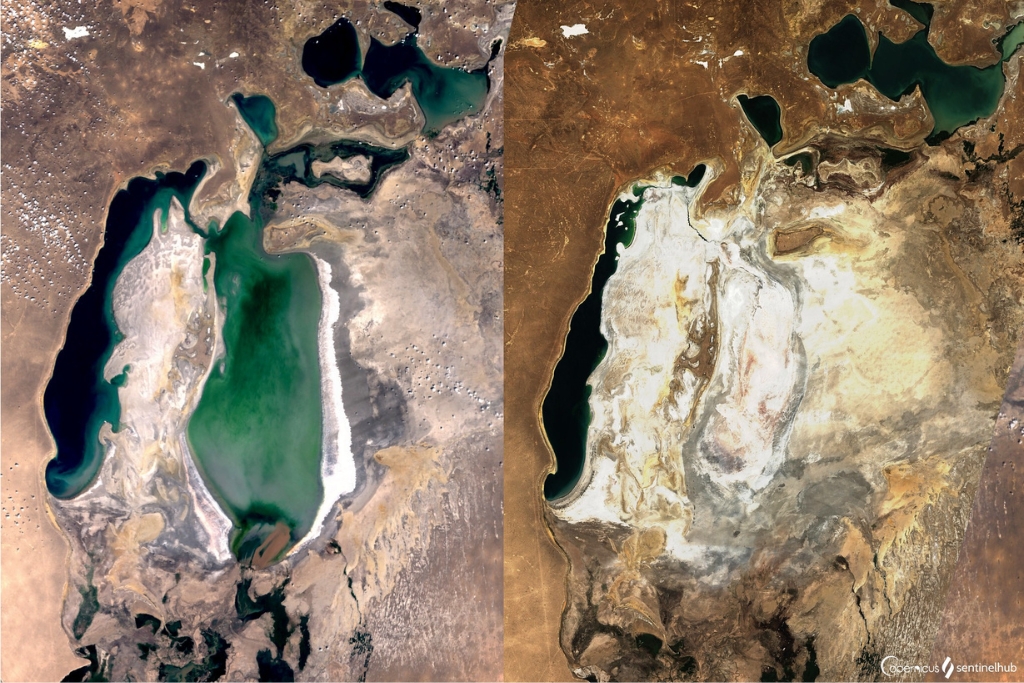
This was desertification, and it was bad. So bad, the European Union intervened and planted 27,000 trees in the region.
The effect these trees had was overwhelmingly positive. Their deep root systems anchored loose soil, preventing erosion and dust storms. They secreted organic acids, rebalancing soil pH and breaking down toxins from agricultural runoff. Microbial activity enhanced soil fertility, and transpiration processes boosted local humidity, rehydrating the basin bit by bit and fostering microclimates. The basin was filling up again!
When I read this, I recalled a similar situation I heard of on the other side of Eurasia. 50 years ago, China faced a similar desertification predicament when they realised the Gobi Desert would soon reach China, and, most importantly, Beijing. In an effort to combat this, the government started the world’s largest ecological project known to man – the Great Green Wall. Spanning 13 provinces, covering an area of 4.06 million square kilometres, they planted 32 million hectares of windbreak trees – successfully restoring 85 million hectares of degraded grassland and 33 million hectares of desertified land.
Trees! An environmental miracle worker, and we take them for granted every day! But I know better now.
 Share this article with your friends