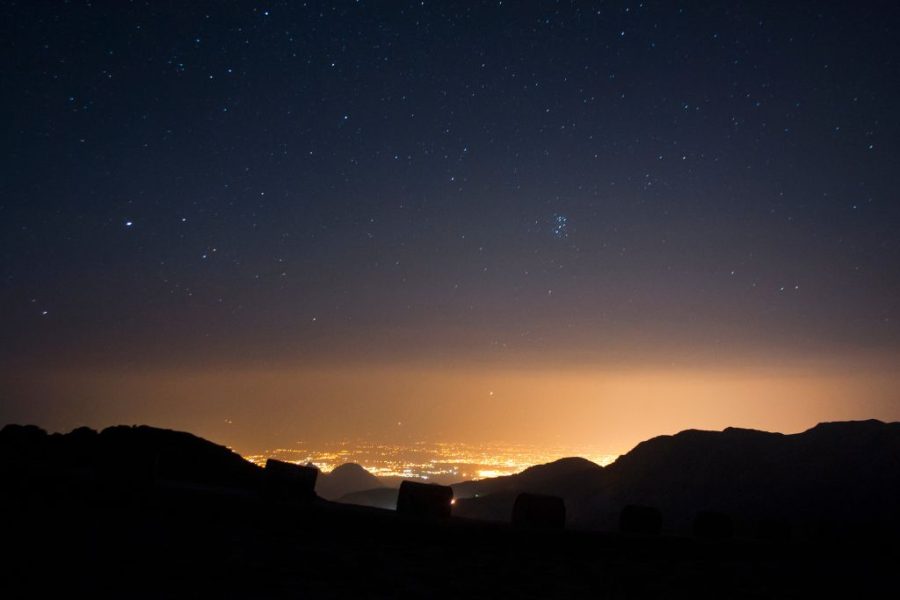
What do you see when you look up at the night sky? One hundred years ago, people could admire the Milky Way from almost anywhere in the world. Today, bright city lights illuminate the night sky, making it difficult to see more than a handful of stars. But light pollution does more than block our view of the cosmos. Read on to learn about this phenomenon and why it is important to preserve our night sky.
—
Light pollution refers to the excessive use of artificial outdoor light. Most light pollution comes from sources like cars, buildings, and streetlights in cities. Many of these lights either shine or get reflected up into the sky, turning dark nights bright.
More than 80% of the world’s population lives under a bright night sky, also known as sky glow. In Hong Kong, one of the worst cities for light pollution, the night sky is many times brighter than anywhere else in the world.
The invention of light has improved our lives in many ways, allowing us not to be bound by the rising and setting of the sun. Yet, for all life on Earth, the sun is like a clock. The rhythm of day and night tells us humans and other living species when to rest, feed, and migrate. The excessive use of artificial lights at night can throw off this age-old rhythm, confusing both humans and wildlife.
One common problem caused by light pollution is trouble sleeping. When it is dark, our bodies release the hormone melatonin to help us feel tired and ready for sleep. Bright light at night can trick our bodies into thinking it is still daytime, making it harder for us to produce melatonin.
For animals that are active during the night, such as frogs, bats, and owls, light pollution can affect how they hunt, feed and mate. A bright night sky can make it harder for them to see or drive away the small creatures that they feed on.
Light pollution can also interfere with how animals navigate. Birds, for example, rely on moonlight to find their way when migrating or hunting at night. City lights can cause them to become disoriented. Every year, millions of birds die when they fly into lit-up buildings.
Other animals like insects are affected by light in a unique way. Think of bugs that fly into the light, like a moth to a flame. This interesting phenomenon, known as phototaxis, can be deadly for insects that use light sources to control their flight. In doing so, they often end up circling around light sources such as streetlights and dying from exhaustion or predation. Amid an insect apocalypse – the alarming decline of insect populations around the world – artificial light at night has been reported as a key cause, affecting almost every part of insects’ behaviour, from feeding to mating.
In comparison to other problems we face, light pollution may be an easy one to solve. Cities can adopt laws to control outdoor lighting, such as using smart street lighting that dims when no one is around. In our homes, simple actions such as turning off unnecessary lights and drawing our curtains at night can reduce the amount of light that spills into our environment.
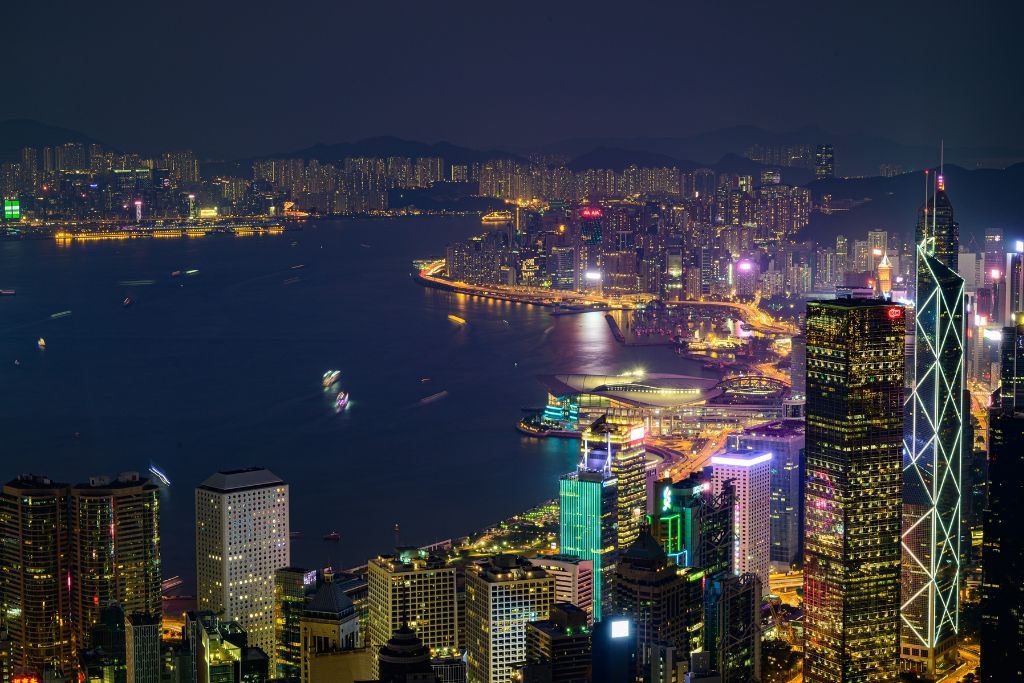
Hong Kong has been named the world’s worst city for light pollution.
But to truly tackle this problem, we may need to change the way we understand darkness. Many of us have been conditioned to think of light as safe and darkness as something to fear. Yet, darkness is just as important and natural as light. It is an essential part of the environment for many plants and animals. By learning to value darkness, we can help safeguard ecosystems and the amazing creatures that live in them.
 Share this article with your friends

Jenny is a writer and editor in the field of education. She is an aspiring environmentalist who hopes to inspire young learners to care for the planet – one article at a time!