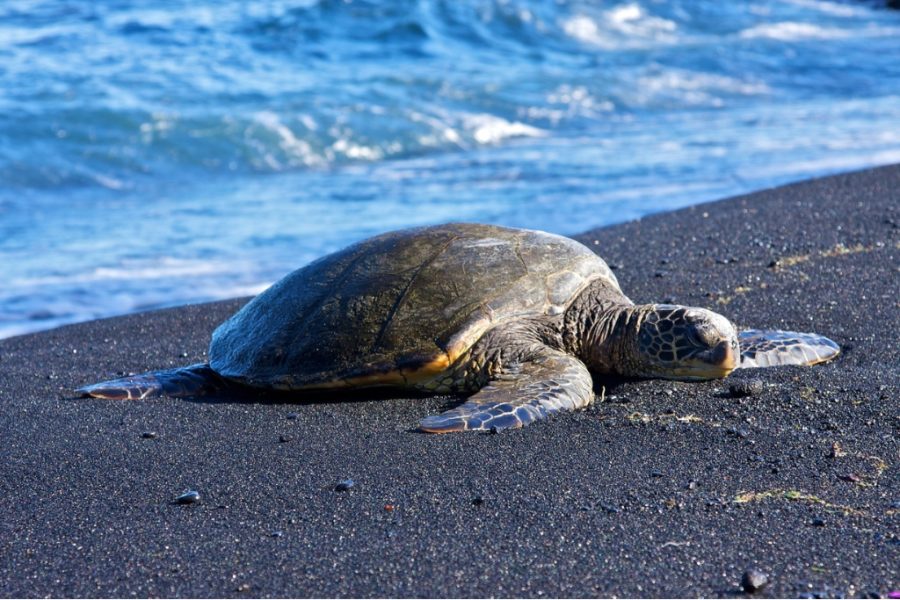
Welcome to the new A to Z Eco-Explorer, a series where we explore one environmental subject corresponding to each letter of the alphabet. In this article, we look at some incredible endangered species, the threats they face, and what we can do to help protect them.
—
Today, more than 47,000 animal species are endangered. This means they are at risk of dying out and becoming extinct. Animals can be classified as “endangered” for a number of reasons, including the impact people have had on their habitat.
Today, we look at five endangered animals, the threats they face, and how we can save them. We also look at some successful examples of conservation that have led to some once-endangered species to be reclassified.
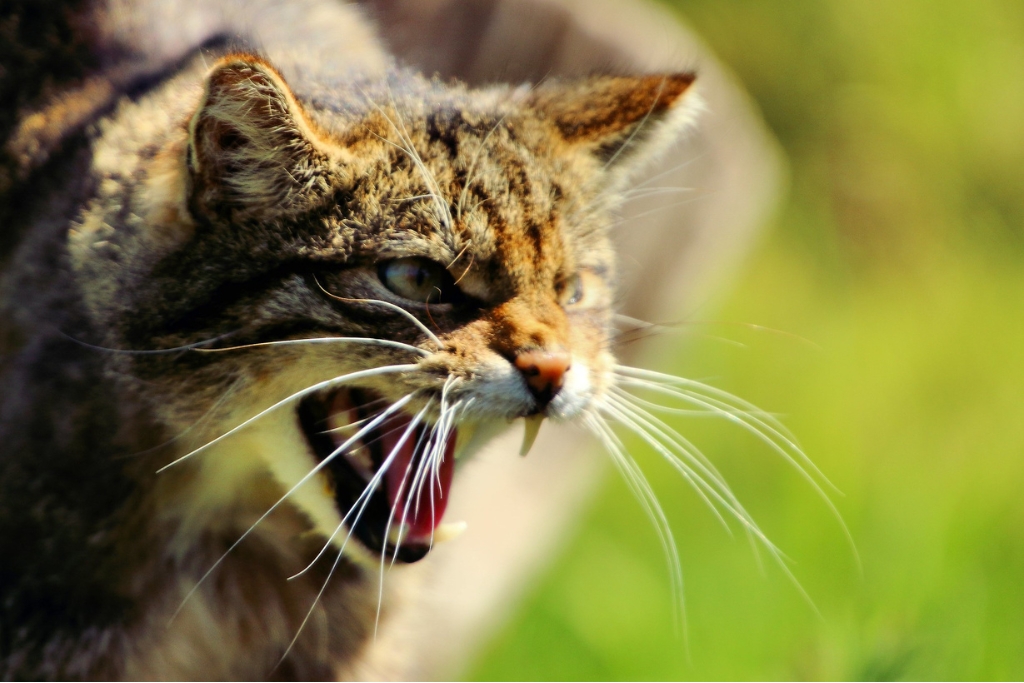
The Scottish Wildcat used to be a common sight in Scotland, but is now close to extinction, with less than 400 remaining in the wild and potentially even as little as 100. Habitat loss and inter-breeding – when wildcats breed with domestic cats – have led to a drastic reduction in populations. To help the species recover, wildcats are being bred in captivity and released into the wild.
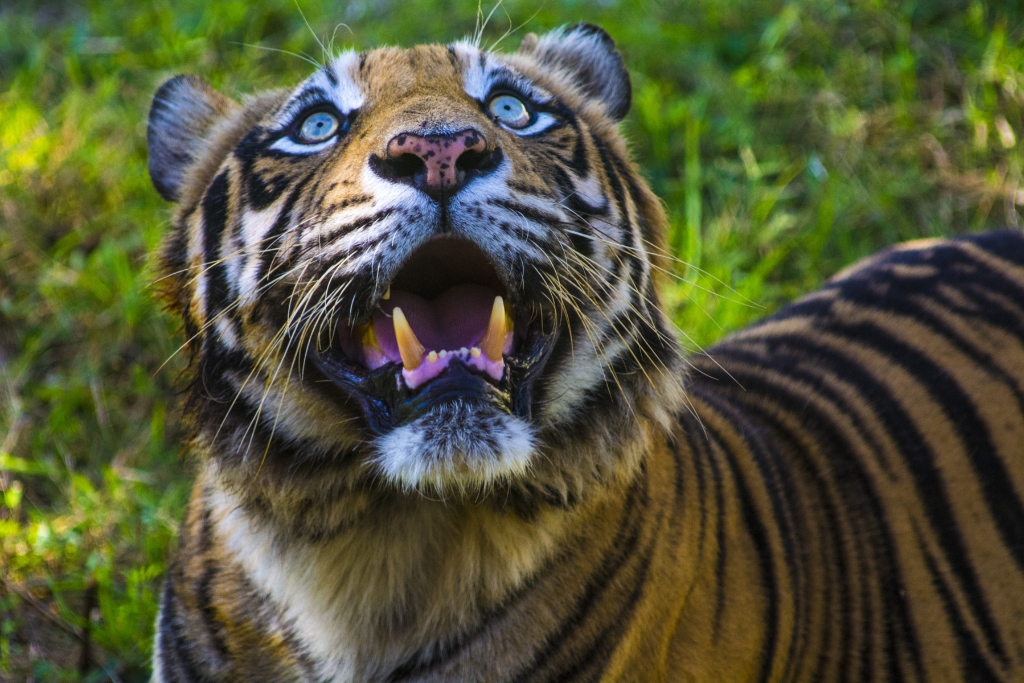
The Sunda (Sumatran) tiger is one of the smallest species of tigers in the world. Males typically weigh 100–140 kilograms (220–310 pounds) and measure around 2.2–2.55 meters in total length, while females are smaller, weighing 75–110 kilograms (165–243 pounds).
The species is classified as “critically endangered,” with less than 300 remaining in the wild. A huge increase in the human population of Southeast Asia between the 1980s and 2020 has impacted tiger numbers – as towns and villages grow, the space available for wildlife shrinks. Poaching is also a threat, with tigers hunted for their teeth, bones, skins and claws.
For a long time, the African forest elephant was thought to be a type of African elephant, but today it is considered by scientists to be its own species. It has five toenails on each front foot and just four on its hind feet. Only an estimated 135,690 individuals remain as of 2020.
The species is threatened by poaching, with people hunting animals for their valuable body parts, such as the ivory in their tusks. Whilst action against poaching has helped protect this gentle giant, the destruction of their forest homes across parts of Africa such as Senegal, Ghana, South Sudan and Nigeria is still causing serious issues, and more action is needed to support them.
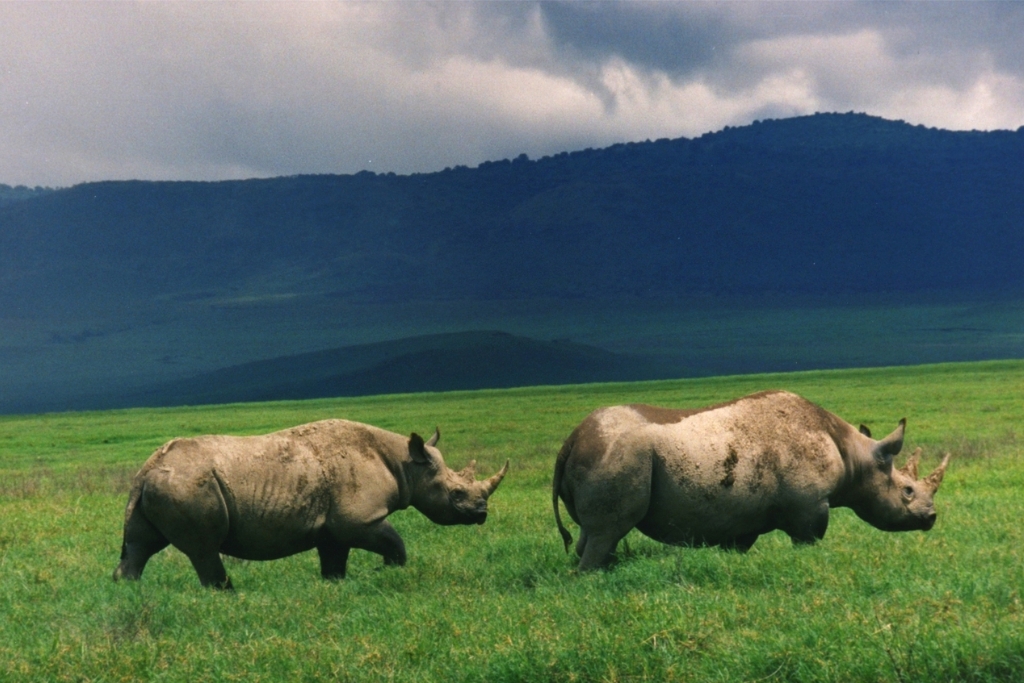
Black rhinos, otherwise known as the hook-lipped rhino, are one of two species of rhinoceros native to Africa (the other being the white rhino). Once found across sub-Saharan Africa, rampant poaching has limited the geographical distribution of the remaining black rhino population. Today, 98% of all black rhinos are located in just four countries – South Africa, Namibia, Zimbabwe and Kenya – with less than 7,000 individuals remaining.
Conservation efforts have seen significant successes in reversing population decline, but the black rhino is still critically endangered. Unfortunately, while it is illegal to buy and sell rhino horns, there is still a strong, illegal market for them. Horns are used as a status symbol of wealth, or in traditional medicine.
The Sumatran orangutan can only be found on the Indonesian island of Sumatra, with the population having shrunk by 80% in the past 50 years. Orangutans need huge expanses of forests in order to thrive. Logging – where trees are cut down to provide timber – poses one of the greatest threats to this species, and has reduced the available forests for orangutans to live in by an estimated 60%.
The Hawksbill turtle loves to travel across the ocean, in tropical and sub-tropical waters, which makes it tricky to count their numbers accurately. Unfortunately, turtles have been accidentally captured in fishing nets or hunted for their shells, which are sold on the black market. Populations have decreased by 80% worldwide due to accidental capture in fishing nets, threats to their nesting habitats and the illegal trade in their shells.
Since 2017, the giant panda is no longer endangered, and is now classified as “vulnerable.” This means there is still work to do to protect the giant panda, but the situation is no longer critical.
Protecting bamboo forests in China and setting up panda reserves, but also working with local communities to create sustainable livelihoods which minimize the impact on panda habitats, have all been crucial steps in ensuring the protection of the species.

Last year, another species was downgraded from “threatened” to “least concern”, marking one of the greatest conservation success stories. Across the world significant conservation efforts have been made, such as protecting eggs and reducing accidental fishing net captures.
Check this out next: Green Sea Turtles Are No Longer Endangered: A Big Win for Nature
Whilst there’s still more work to be done, crucial conservation work has made a huge impact to save animals threatened with extinction. If we work together, we can help save more species.
Featured image: Julian Fong/Flickr.
 Share this article with your friends