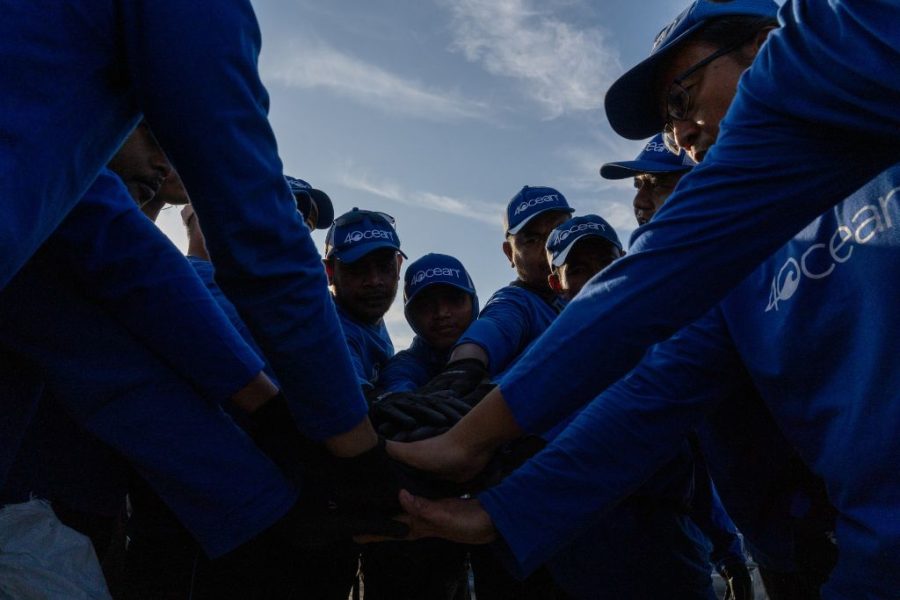
4Ocean has pulled thousands of tonnes of garbage out of the sea and turned them into bracelets and other wares for sales.
—
Florida surfers Andrew Cooper and Alex Schulze were in their 20s when they came up with the business idea. It was 2015, and the duo was on a surfing trip in the renowned Indonesian province of Bali. What they found there were beaches buried in trash.
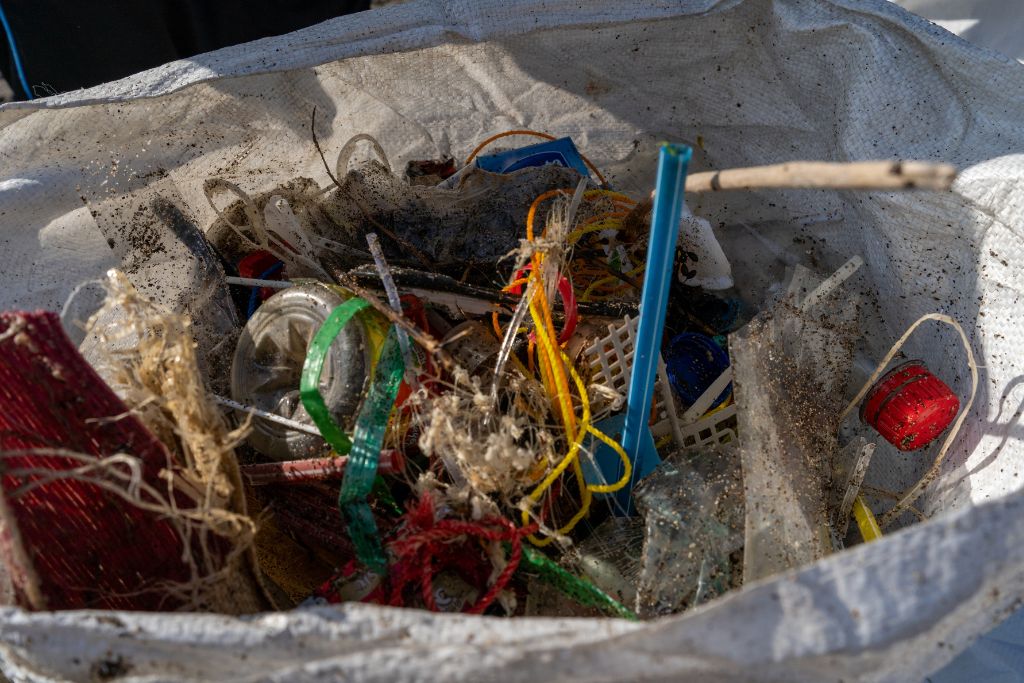
Indonesia is a surfing mecca, but it is also the second-largest plastic polluter in the world after China. The Southeast Asian nation generates approximately 7.8 million tons of plastic waste annually, a huge proportion of which ends up in the sea. By some estimates, trash entering the waters from Indonesia makes up roughly 5% of the total plastic waste that enters the world’s oceans each year.
After the trip, Cooper and Schulze went back home with an idea for a business to help clean the world’s oceans.
In 2017, they founded 4Ocean, a for-profit business that removes plastic and glass waste from oceans, rivers and coastlines in order to repurpose it by making bracelets out of those recycled materials. 4Ocean sells each bracelet for US$24, with the promise that the money from each purchase will fund five pounds of trash removal. Whatever the company cannot recycle is sent to landfills.
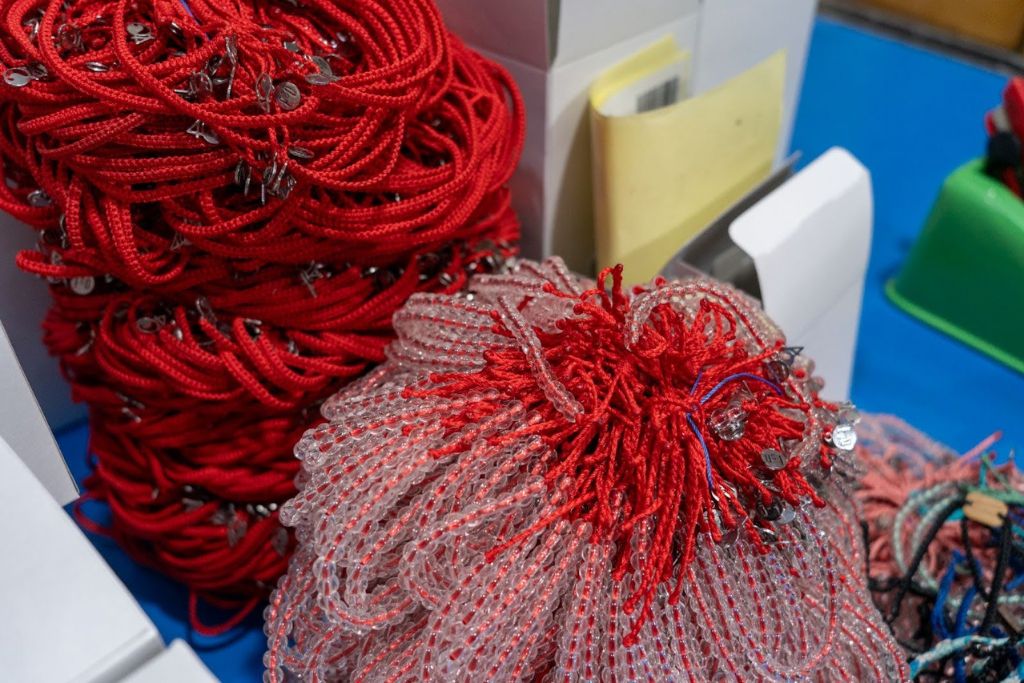
Today, 4Ocean has teams in Guatemala, the US state of Florida, and Indonesia. It estimates it has collected more than 40 million pounds of trash since 2017.
In their base in Bali, dozens of locally hired crews head to the beach in the morning to collect trash and bring it back to their building for sorting before converting them into bracelets. Andi Rachmansyah, the company’s operations director in Indonesia, said the effect of this business on the environment is “very positive.”

“After a few years we do the operation, the river is cleaner and there are more fish. This is based on what the people say, not what we say. The fish is coming back to the river. There are a lot of fish and the mangroves grow better,” he told Earth.Org.
“Before, most of our ocean crews were fishermen. So, the problem is that they quit fishing in the ocean because there is too much trash.”
4ocean is not the only company working to pull plastic in the Indonesian island. Founded in 2020, non-profit organization Sungai Watch gathered hundreds of volunteers in January to clean the beaches in the south of Bali. During the Covid-19 pandemic, a Balinese also initiated a programme encouraging local villagers to collect plastic for recycling by offering them rice.
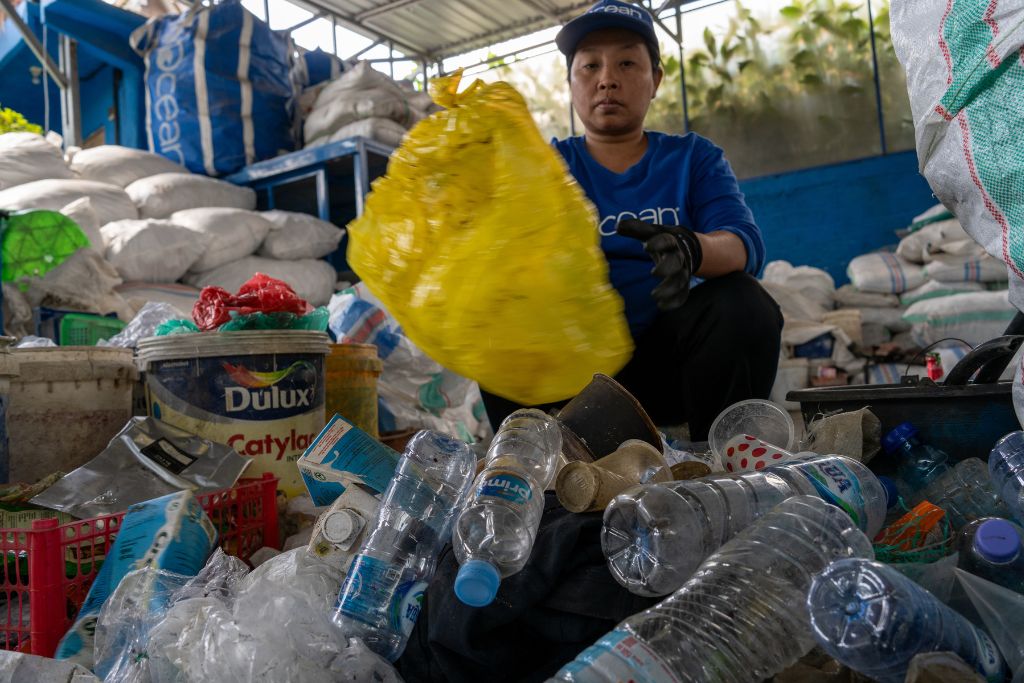
These initiatives have altogether removed tonnes of trash from the oceans. However, every year, up to 23 million tonnes of plastic waste still leak into lakes, rivers and seas, according to the United Nations.
4Ocean recognizes that dragging trash from the ocean will not solve this huge crisis. It begins with education and changes in the way people use and produce plastic.
“Cleanups alone aren’t enough to end the ocean plastic crisis. Each of us has a role to play in preventing plastic pollution and we must work together to stop it at the source,” the company says on its website.
Check this out next: 7 Facts About Ocean Plastic Pollution for Kids
—
About the author: Anne Chan is a multimedia journalist based in Hong Kong. She covers mainland China, Hong Kong and Southeast Asia. She writes about environmental and social issues. She holds a bachelor’s degree in journalism and economics from the University of Hong Kong.
 Share this article with your friends