One of the terms we use a lot when we talk about climate change is ‘net-zero emissions’. What do we mean by that and why is it important?
—
As you probably know by now, carbon dioxide emissions are the main cause of climate change. Every time we burn fossil fuels, drive our cars, and even grow our vegetables, we release greenhouse gases into the atmosphere. These gases are warming our planet. And the more greenhouse gases we send to the atmosphere, the warmer the Earth will get. Even small increases in global temperatures can have big consequences on the environment. For example, many of our glaciers are melting and sea levels are rising because it is getting too warm.
Global warming can also cause what we call ‘extreme weather events’ such as hurricanes, floods, and droughts. These can lead many animals to migrate in search of cooler places to live and it can also put a lot of species at risk of extinction.
Finally, global warming is impacting humans as well, making it harder for us to grow food which leaves more people hungry. And just like animals, global warming is forcing people to migrate somewhere else.
To avoid all of this, in 2015, 196 countries around the world signed the Paris Agreement, promising to work together to reduce their emissions and keep the rise in global temperatures well below 2 degrees Celsius. To do this, many nations have set goals to meet ‘carbon neutrality’. Reaching ‘net-zero emissions’ means that they now have to drastically cut the amount of emissions they produce down to as close to zero, and remove emissions from the atmosphere.
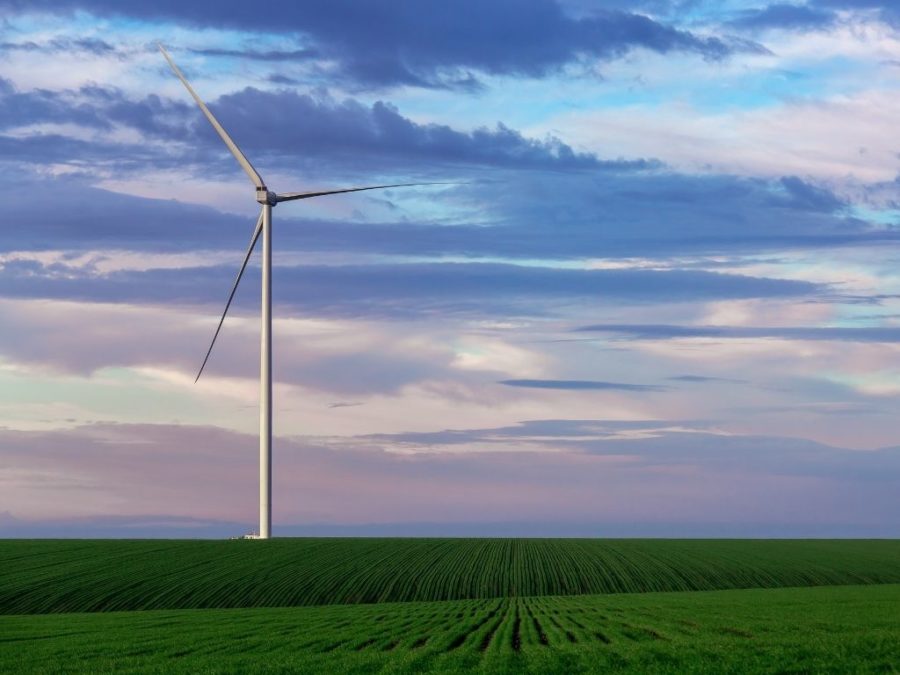
So how are we going to reach it? Well, the only way to cut the amount of greenhouse gases that we produce is to find new, greener methods to replace all our polluting technologies and bad habits. For example, we can shift from fossil fuels to renewable energy to generate the electricity we need in our daily lives, we can stop deforestation and instead plant more trees since they help absorb carbon emissions from the atmosphere and keep the air clean. We can also eat less meat.
But it’s not easy. That is why all the countries that want to reach this goal said they will have 30 or more years to do so. The most polluting country in the world, China, said it will reach net-zero emissions by 2060. The United States hopes to reach that goal by 2050. Because it is going to take so long to change so many things, it is better to start acting now.
Check This Out Next: What Are the Biggest Causes and Effects of Air Pollution?
 Share this article with your friends

Martina is a journalist and editor with experience in climate change reporting and sustainability. She is currently the Editor-in-Chief at Earth.Org and Kids.Earth.Org. She holds two BA degrees, in Translation/Interpreting Studies and Journalism, and an MA in International Development from the University of Vienna. Before moving to Asia, she worked in Vienna at the United Nations Global Communication Department and in Italy as a reporter for a local newspaper.